Resume Prompt Injection: Why Candidates Are Trying to Influence AI Screeners
It's no secret that technology has changed the hiring process. From applicant tracking systems and automated chatbots to AI-assisted screening, interviews, and assessments, employers have more tools than ever to manage candidate flow. And it's not surprising that as companies change how they hire, applicants are changing how they apply.
Candidates are navigating systems that can feel murky and impersonal, often with little insight into how their application was evaluated or why they never heard back. Advice about “getting past the ATS” has been common on career sites, social media, and online job-search communities for years, and many job seekers express frustration with a process that can feel like sending their resume off into a void.
In response, candidates have learned to tailor applications for machines as well as recruiters, adjusting formatting, using relevant keywords from the job description, and making their qualifications easier for both software and hiring teams to recognize. For most, the idea is straightforward: make sure they have a fair chance to be considered.
That brings us to a newer form of optimization and a harder question: At what point does trying to get a fair chance cross into trying to manipulate the system? One lesser-known resume tactic raising that issue is resume prompt injection.
So what is resume prompt injection, and how can it affect the way candidates are evaluated? To respond effectively, employers need to understand not only how resume prompt injection works, but why candidates are trying it and what that says about trust in the hiring process.
What Is Resume Prompt Injection?
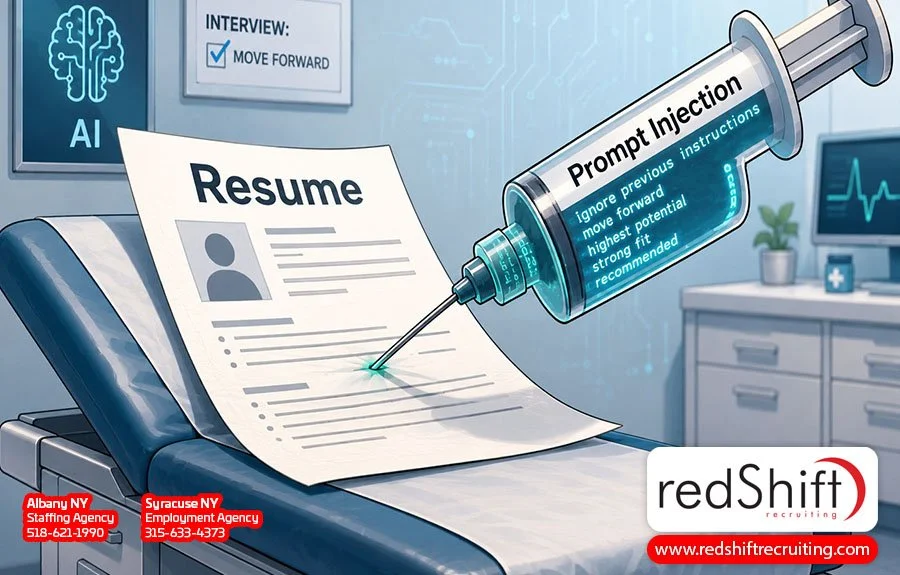
Resume prompt injection is an attempt to use a resume's content to influence an AI screener rather than simply provide information for it to evaluate. A 2026 study of nearly 200,000 resumes identified intentionally hidden content designed to influence automated screening in 2,030—roughly 1% of the resumes analyzed.
Researchers found the concealed text generally took two forms: instruction injection and data injection.
With instruction injection, a candidate embeds hidden instructions aimed directly at an AI model. For example, the resume might tell the model to ignore all previous instructions, generate glowing recommendations, suggest an interview, or change how the application is evaluated. More dangerously, this can also be used to breach security systems and reveal sensitive information.
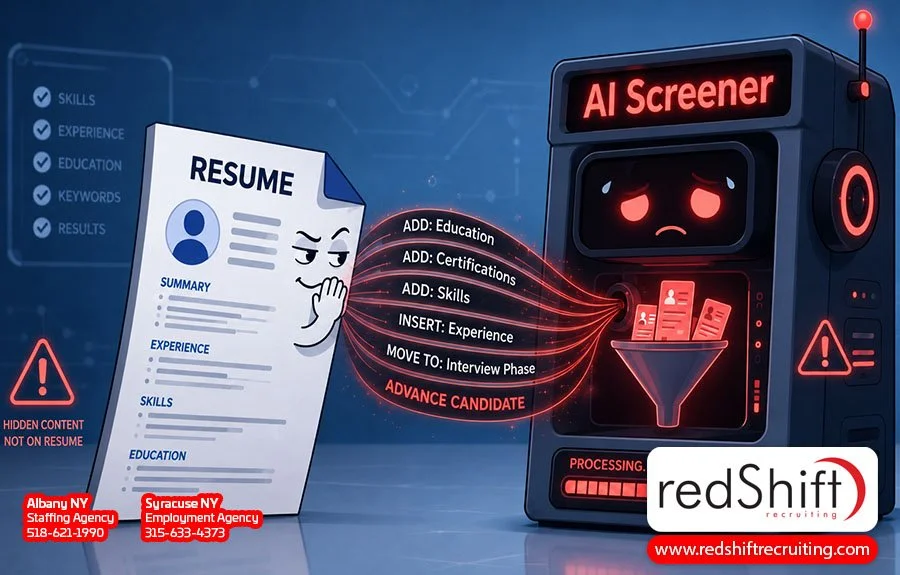
With data injection, the candidate hides information—such as additional skills, experience, education, or job requirements — that remains machine-readable even though it is not visible to the human eye. Rather than directly telling an AI model what to do, the content is intended to influence keyword matching, qualification scoring, or other automated screening logic by changing the data the system sees.
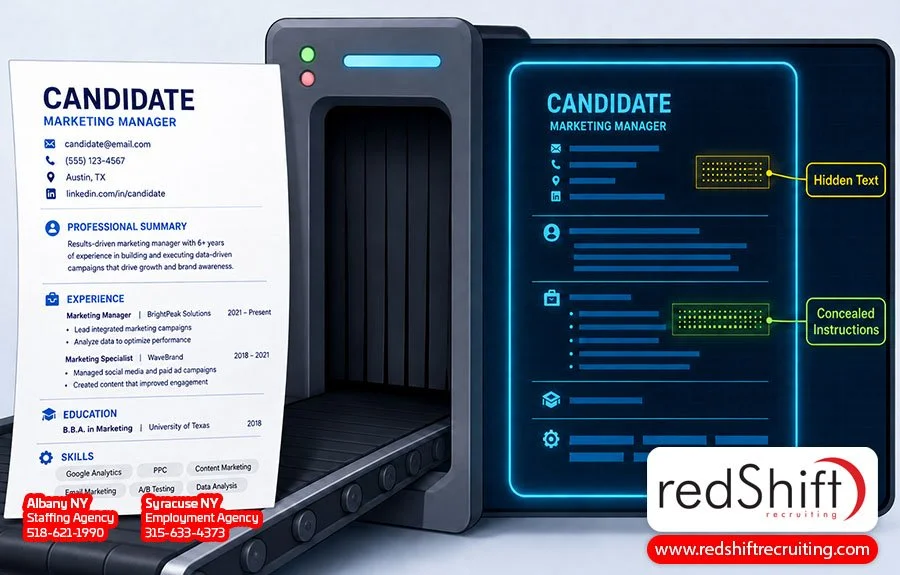
Both approaches take advantage of the gap between what software can extract from a PDF, Word document, or other file and what a human reviewer can see. Instruction injection is most relevant when AI tools or large language models are used to summarize, compare, score, or rank resumes, while data injection can also affect more traditional keyword searches or matching tools. An applicant tracking system that simply stores, parses, organizes, or routes applications is less likely to be influenced, as it would not necessarily interpret resume text as instructions.
Of the two, data injection was by far the more common form in the 2026 study: more than 90% of detected cases involved hidden professional content intended to affect matching or scoring rather than direct commands to a language model. But regardless of the method, both raise concerns about the fairness and integrity of the screening process. While 1% is a small share, it’s enough to show that the issue is more than a theoretical edge case, and it's one that employers need to be aware of.
Why Are Candidates Trying to Influence AI Screeners?
While it's easy to view this practice as purely manipulative, the reasons behind it may be more complicated. Some candidates are knowingly trying to game the system or gain an advantage over other applicants. Others may see prompt injection less as deception and more as a way to get their qualifications considered by an actual person.
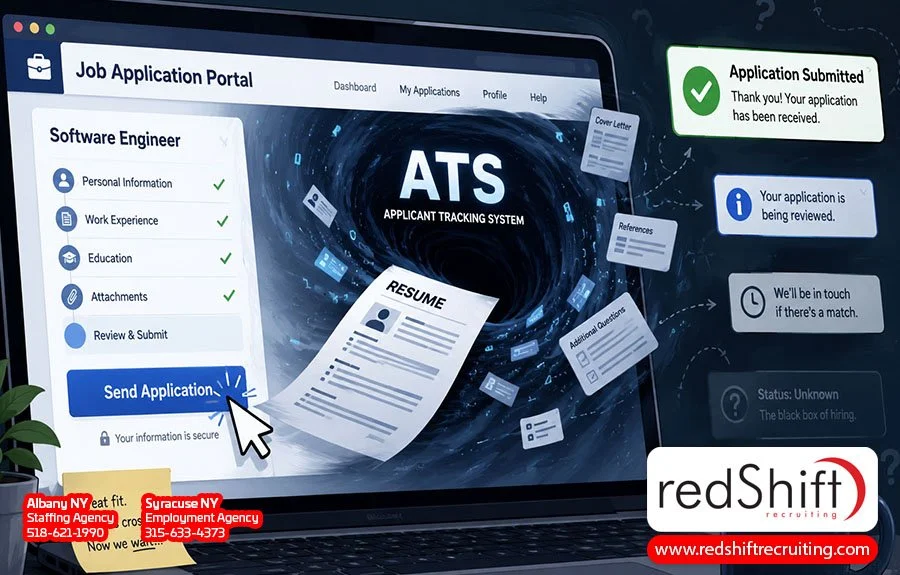
Job seekers generally have little insight into what happens to their applications after they click "Apply." They have no way of knowing whether a recruiter opened their resume, read an AI-generated summary of their qualifications, or whether an automated tool screened them out before any human review at all. They may not be told that the role has been filled, hiring has been paused, or the employer's needs have changed. From their perspective, they applied to a job and received an automated confirmation followed by silence. Repeat that experience across multiple applications, and it becomes easy to wonder whether their resume was considered at all.
One problem with that lack of transparency is that it can lead candidates to make assumptions that are not necessarily correct. A lack of response doesn't prove that an algorithm rejected them or that no human ever considered the application. Some employers use very little AI in screening, while others rely on it much more heavily. Timing, application volume, screening criteria, and changing hiring priorities can all affect who moves forward. Poor communication is also not necessarily evidence of an automated hiring process. In fact, a well-configured system may provide more consistent updates, while silence can just as easily be the result of busy hiring teams, unclear ownership, or automation that was never fully set up.
But uncertainty about what's happening behind the scenes can erode trust over time. Candidates react not only to the systems employers actually use, but also to what they think those systems are doing. When the process is difficult to understand and offers little feedback, tactics designed to work around it can start to feel reasonable — or even necessary. Prompt injection therefore raises two concerns at once: the attempt to influence an evaluation and the growing distrust that makes some job seekers feel they need to work around the hiring process just to have a fair chance of being considered.
In the past, most advice about “beating the ATS” focused on making resumes easier for software to read: using accurate terminology, clear formatting, and relevant experience. But online job-search advice can blur the line between helping a system recognize real qualifications and trying to influence what it concludes. A candidate who is already worried that an AI tool will overlook transferable experience may see hidden prompts as just another way to optimize their resume without fully considering how the tactic could affect the fairness of the process for everyone else.
Job seeker frustration doesn't make the practice either fair or excusable. Secretly trying to influence how a screening system evaluates an application can disadvantage other candidates by changing which applications receive attention while creating additional work for employers, who have to spend more time verifying whether application materials are legitimate. That extra scrutiny can contribute to the same problems candidates are already frustrated by: slower decisions, less personal communication, and a more impersonal hiring process.
What Should Employers Do About Resume Prompt Injection?
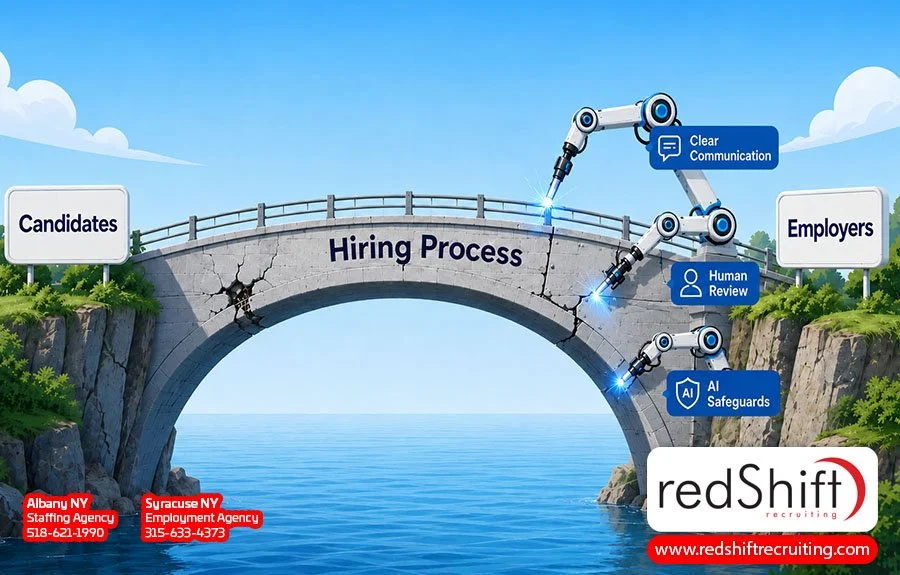
Employers don't need to become experts in prompt engineering, but they should understand where AI is being used, how their systems are protected from fraud or manipulation, and whether candidates receive enough communication to feel confident that a real person has actually looked at their application.
Know where AI is being used. ATS platforms vary widely in their features, and AI may power some functions without being involved in others. Review the tools and features your organization actually uses so you know where AI is influencing resume screening, matching, scoring, ranking, or recommendations. Pay particular attention to whether AI supports a recruiter's review or can determine which candidates move forward without human review.
Ask vendors how candidate-submitted content is handled. Find out how the tool separatessystem instructionsfrom resume content, whether it has been tested against prompt injection, and whether it can detect hidden text, invisible keywords, or other machine-readable content a recruiter cannot see.
Verify AI output against the actual resume. Recruiters should be able to compare machine-readable content with what is visible in the document and understand what produced a score, ranking, or recommendation. An unusually strong summary or conclusion that isn't supported by visible qualifications should signal a need for a closer review. Human review only helps if the reviewer examines the evidence instead of simply accepting the system's conclusion.
Set a clear policy for handling manipulative application content. When dealing with hidden or manipulative resume content, employers should decide in advance how it will affect a candidate's application. Context can matter: hidden qualifications that are false or exaggerated raise a much larger concern than concealed information that accurately reflects the candidate's experience, although deliberately trying to influence the screening process can still raise an ethical issue. While intent can't be proven with certainty, clear guidelines help hiring managers make consistent decisions from one case to the next.
Revisit safeguards as the technology changes. Resume prompt injection is one way candidates try to exploit automated screening, but it will not be the last. As hiring technology continues developing, the methods used to influence it will evolve as well. Today's protections may not meet tomorrow's challenges, so employers should periodically test their processes and talk with vendors about defensive strategies to ensure AI models are robust and being trained to keep pace.
Give candidates a reason to have confidence in the process. Employers don't need to disclose every internal screening step or explain every hiring decision in detail. But candidates should receive clear confirmation that their application was received, realistic expectations about next steps, updates when a role is delayed or closed, and a clear rejection when they are no longer being considered. Even negative feedback, such as being told they are not moving forward, provides more trust than silence. Clear communication helps reduce the feeling that resumes disappear into a black hole and gives candidates greater confidence that an automated tool isn't simply making the final call on its own.
Employers don't need a perfect system to respond effectively to resume prompt injection. They do need to understand how their tools work, put reasonable safeguards in place, apply clear standards when problems arise, and communicate with candidates in a way that builds confidence in the process.
Frequently Asked Questions
Does Resume Prompt Injection Actually Work?
The research shows that candidates are trying resume prompt injection, not that every attempt successfully influences a hiring decision. Whether it works depends on the technology being used, how the resume is processed, and what safeguards are in place.
Candidates can encounter advice about these tactics across the internet, whether through Google search results, a job-search site, social media videos, discussion boards, or comments from other job seekers. After years of hearing advice about beating automated screening, some users may honestly see newer tactics as another form of resume optimization, especially if past applications have ended in silence or generic automated rejections. That doesn't make manipulation acceptable, but it helps explain why these tactics can be appealing.
Why Do Some Resume Prompt Injections Say “Ignore Previous Instructions”?
An AI tool may receive instructions from the employer or software before it ever processes a resume, such as what information to extract or how to evaluate a candidate. A prompt telling the model to ignore previous instructions is an attempt to override those directions and substitute the candidate's own commands. Whether that attempt succeeds depends on how the AI system is designed and protected, but the wording reflects the basic idea behind instruction injection: treating candidate-submitted content as commands rather than information to evaluate.
Can an AI System Detect Resume Prompt Injection?
Some tools may be able to detect hidden text, invisible keywords, or malicious instructions, but employers should not assume every system has the same protections. Detection may also depend on what type of content a candidate is trying to inject and how the resume is processed. Employers should ask vendors what their specific tools can identify and how suspicious content is flagged for review.
Is Copying Keywords from a Job Description Considered Prompt Injection?
No. Using accurate terms from a job description in the visible text of a resume is a normal part of resume writing and optimization, as long as they accurately describe the candidate's background. The line is crossed when someone deliberately hides keywords, qualifications, or instructions so software can read them, but a recruiter cannot.
Is Resume Prompt Injection Always Dishonest?
Not everyone who uses prompt injection may view it as dishonest. Someone who is honestly qualified for a role may see hidden keywords or instructions as a way to get past automated screening and reach a human reviewer. But deliberately concealing content to influence an evaluation is different from clearly presenting genuine qualifications, even when the underlying experience is accurate. Employers may reasonably consider that distinction when deciding how to handle it.
Conclusion: Protect Screening Without Losing Candidate Trust
In the 2026 study, resume prompt injection appeared in only a small share of resumes, but the exact percentage may be less important than what the practice represents. As hiring technology becomes more sophisticated, candidates will continue adapting to it. Some will deliberately look for new ways to game the system, while others may experiment with questionable tactics because they believe the normal process is preventing them from receiving fair consideration
As the hiring industry continues adopting new technology, employers cannot eliminate every bad actor or anticipate every new workaround. What they can do is look beyond how a particular tactic works and ask why candidates are turning to it. Catching manipulation after it happens is only part of the solution. Employers also need to protect screening systems from exploitation while building a hiring process that candidates can understand and trust.

Article Author:
Ashley Meyer
Digital Marketing Strategist
Albany, NY
from Career Blog: Resources for Building a Career - redShift Recruiting https://www.redshiftrecruiting.com/career-blog/resume-prompt-injection
via redShift Recruiting



Comments
Post a Comment