Soft Skills Are the New Hard Skills: Evaluating Soft Skills in Technical Roles

Technical hiring has often been seen as fairly straightforward: find someone with the right stack, verify they can do the work, and bring them on board. But as AI speeds up development and automates more routine tasks, teams now rely more heavily than ever on communication, collaboration, and adaptability to keep projects aligned. AI can generate code, but it can’t untangle a misunderstanding between stakeholders, identify hidden assumptions, or steady a team when priorities shift. For many hiring managers, these human capabilities often predict long-term success more accurately than a candidate’s mastery of any particular framework or tool.
The challenge is that soft skills are far harder to measure. You can test for technical expertise, but you can’t reliably gauge communication style, critical thinking, or real-world problem-solving from a polished interview answer. That’s why evaluating soft skills in technical roles has become one of the most critical—and most complex—parts of the hiring process. This article explores why these skills matter so much more today and offers practical, structured ways for employers to assess them with confidence.
Why Soft Skills Matter More Than Ever in Technical Roles
AI has changed the nature of technical work. As AI-assisted coding (vibe coding), debugging, and documentation continue to expand, technical skills that once served as clear differentiators now cover only part of what teams need to function well. Routine execution is easier than ever, but judgment, interpretation, and the ability to communicate effectively remain uniquely human. This is where soft skills matter—and where the gap between strong and struggling technical employees becomes most visible.
Modern technical work also spans far more cross-functional projects than it once did. Developers work with operations, engineering partners coordinate with product, and analysts collaborate with finance or business stakeholders. Success increasingly depends on clear communication, shared context, and the ability to adapt explanations of a complex technical concept for non-technical audiences. As development moves faster, even small misalignments between technical teams and business goals can compound quickly, making communication and context-sharing essential to avoiding rework and missed expectations.
The rise of distributed and hybrid teams adds more pressure. Asynchronous communication magnifies misunderstandings, and even small gaps can create rework or slow project momentum. In these environments, interpersonal skills such as active listening and critical thinking become essential to maintaining team alignment. Many technical roles also operate with shifting requirements or incomplete information, increasing the need for employees who can navigate ambiguity, ask clarifying questions, and make sound decisions without having every detail upfront.
Finally, strong technical ability alone no longer predicts role success. Difficulty adjusting to change, resistance to feedback, or poor judgment in collaborative situations can limit effectiveness just as much as gaps in a programming skill. These shifts explain why hiring managers need to look beyond hard skills to understand whether a technical candidate brings the human strengths needed for today’s collaborative, fast-moving work.

The Essential Soft Skills for Technical Employees
Technical roles rely on more than technical expertise. What ultimately shapes day-to-day job performance is how well an employee communicates, collaborates, adapts, and makes decisions when work gets messy or ambiguous. Soft skills tend to emerge most clearly under pressure when requirements shift, timelines tighten, or unclear direction forces employees to make judgment calls. These are the key soft skills that consistently separate high performers from those who struggle, even when their technical background is strong.
Communication (Especially Cross-Functional)
Effective communication is one of the most critical skills in technical work. Professionals must explain complex technical ideas to non-technical stakeholders, ask clarifying questions when requirements are unclear, and adjust their communication styles for different team members. Communication is also a two-way skill: confirming assumptions and seeking clarity often prevents more issues than polished explanations alone. Strong written communication skills matter as well, especially when teams rely on detailed project updates or technical documentation.
Problem-Solving & Critical Thinking
Technical employees face complex challenges that require more than surface-level answers. They must diagnose issues beyond what AI tools flag, identify root causes, and understand the long-term impact of decisions. Strong problem-solving skills include evaluating tradeoffs, spotting hidden assumptions, identifying root causes, and knowing when to escalate. These behaviors help teams solve problems efficiently and prevent small issues from becoming costly delays.
Adaptability & Learning Agility
Technical environments shift quickly, and employees must be able to learn new skills, tools, and workflows with minimal disruption. Adaptable team members respond constructively when priorities change and navigate incomplete information with steady judgment. This agility allows technical candidates to succeed even when a new project introduces them to unfamiliar systems or evolving expectations.
Collaboration & Conflict Navigation
Modern work requires navigating different perspectives, personalities, and pressures. Effective collaboration shows up in productive team discussions, respectful disagreement, and the ability to adjust one’s approach to support overall project success. Strong employees manage conflict resolution constructively, support team dynamics, and keep work moving even when tensions arise.
Ownership, Professionalism, & Emotional Awareness
Beyond technical and hard skills, employers increasingly look for employees who show accountability and professionalism. This includes taking responsibility rather than blaming tools (or coworkers), meeting commitments, and demonstrating emotional intelligence in stressful situations. Employees who understand how their behavior affects others can provide constructive feedback, support teammates under pressure, and maintain professionalism during periods of rapid change.
These behaviors may sound straightforward, but they rarely show up clearly in traditional interviews, making identifying them early a critical part of hiring for today’s technical roles.

Why Soft Skills Are Harder to Evaluate in Technical Interviews
Despite their importance, assessing a candidate's soft skills is often the hardest part of a technical interview. Many hiring teams lean heavily on coding tests, automated scoring, or exercises focused on technical know-how, but these tools rarely provide valuable insights into how someone behaves in real-world situations. Portfolios or code samples can demonstrate technical output, yet reveal almost nothing about how a candidate collaborates, communicates, or handles setbacks. These methods validate whether a candidate understands programming languages, but they miss how a person navigates ambiguity or interacts with others under pressure.
Another challenge is that technical candidates can rehearse answers to predictable questions during interviews. Soft skills, however, reveal themselves through patterns—how someone approaches teamwork and problem solving, how they handle unclear direction, or how they adjust their communication style when speaking with non-technical peers. Hypothetical questions add an additional gap between what candidates say they would do and how they actually behave, making signals even harder for hiring managers to interpret.
Virtual interviews add yet another layer of complexity. They make it harder to read interpersonal cues such as active listening, situational awareness, or authentic rapport. Even small delays or screen fatigue can obscure the soft signals that matter during real work.
Finally, the rise of AI-enhanced interviewing tools can create false confidence. AI-generated summaries or polished candidate responses may look impressive, but they don’t always reflect day-to-day behavior. Human judgment remains essential for interpreting nuance, intent, and whether a candidate’s soft skills align with the realities of modern technical roles. Without this, hiring teams risk missing critical gaps that only become visible once work begins.
How to Effectively Assess Soft Skills in Technical Hiring
Evaluating soft skills isn’t about personality or “culture fit”—it”’s about observing how people actually work. The most reliable way to assess soft skills effectively is to use structured methods that reveal real behaviors, not guesses or assumptions. Because technical roles depend on both technical and soft skills, hiring teams need approaches that uncover how candidates communicate, collaborate, and make decisions under realistic conditions. And because soft skills reveal themselves through patterns rather than isolated moments, using multiple assessment methods helps hiring managers see consistent strengths or concerns. These may include:
Behavioral Interview Questions
Behavioral questions help hiring managers understand how a candidate has handled challenges in the past. These questions uncover problem-solving abilities, communication styles, accountability patterns, and how someone contributes to team dynamics in real environments. Strong behavioral interviews focus on concrete actions and decision-making, not abstract opinions. Example prompts include:
-
“Tell me about a time you disagreed with a technical decision.”
-
“Describe a project that went off track—what role did you play?”
Situational Judgment Questions
While past behavior is predictive, realistic scenarios also help identify candidates who can navigate the complexities of technical work. Well-crafted situational judgement tests ask candidates to walk through tradeoffs, communication choices, and conflict points, revealing interpersonal abilities such as active listening, negotiation, and conflict resolution. Examples include:
-
“A stakeholder requests a technically unrealistic feature—what do you do?”
-
“Your team is divided on how to approach a problem. How would you help move the discussion forward?”
Work Samples or Simulations
Simulations mirror the actual demands of technical collaboration. Pair programming, collaborative whiteboards, and written communication tasks serve as practical assessments that show how a candidate synthesizes information, interacts with others, and adapts to ambiguity. The goal is less about the final answer and more about the candidate’s process—the questions they ask, how they structure their thinking, and how they interact with others. These practical exercises often highlight specific soft skills that never emerge in traditional job interviews.
Reference Checks That Go Beyond Titles
References remain one of the most overlooked but valuable forms of soft skill evaluations. Instead of verifying job titles or employment dates, hiring managers should ask how the candidate handled feedback, managed shifting priorities, or approached conflict resolution. These conversations often reveal emotional intelligence, ownership tendencies, and how a person operates within a team.
Common Red Flags
Certain patterns signal risk early: relying too heavily on technical ability alone, unclear or defensive communication, blame-shifting, or a lack of awareness of how one’s behavior affects others. When these signs appear across multiple evaluation methods, they often indicate deeper concerns about collaboration, adaptability, reliability, or teamwork skills in real project environments.
Where AI Fits in Soft Skill Assessment (and Where It Doesn’t)
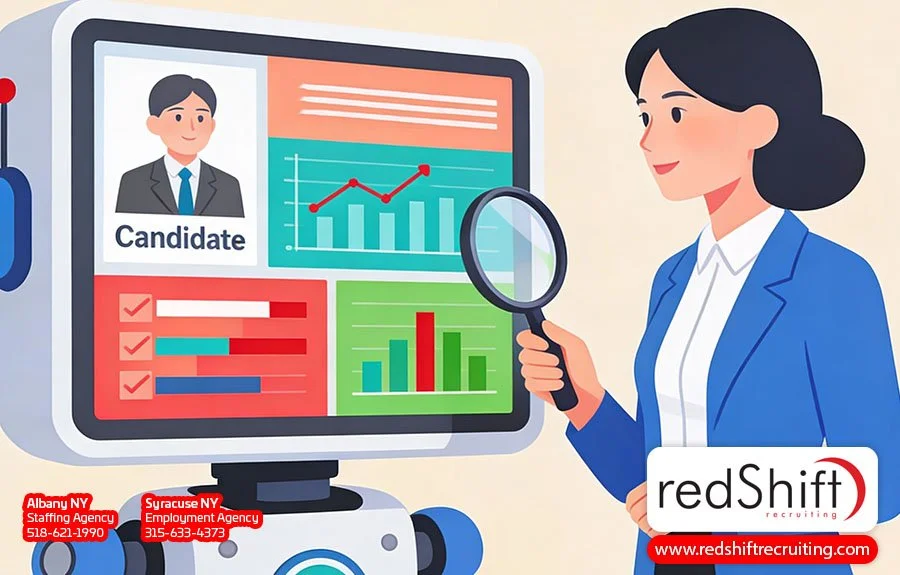
AI can support soft skill assessments, but it can’t replace the human judgment required to understand how technical candidates actually work. Used well, AI tools can help hiring teams notice patterns they may overlook, such as communication clarity or consistency in written responses. They can review communication samples at scale, flag trends across interviews, and help teams maintain consistent evaluations during the hiring process. These systems can also streamline administrative steps, freeing hiring managers to focus on the key skills that matter most in real project environments.
But AI has limits. It cannot reliably interpret context, read intent, or understand how a candidate might react when facing conflict or ambiguity. AI may also place too much weight on surface-level polish—such as writing fluency or tone—which can make a candidate appear stronger than they are in real collaborative or decision-making skills. And while AI can assess individual responses like emails or recorded answers, it cannot evaluate how someone interacts in real time. Turn-taking, responsiveness, strong communication skills, emotional awareness, and the ability to build rapport still require human observation and insight.
For most organizations, the best approach is hybrid: AI gathers signals, and humans interpret them. AI can find patterns, but this is only half the battle—the most important insights still come from people who know what effective teamwork looks like inside their unique organization. When paired thoughtfully, AI and human evaluation together provide a more complete picture of a candidate’s potential contribution to organizational success.
What Improves When Technical Teams Have Strong Soft Skills
When technical teams bring strong soft skills to their work, the impact is immediate and measurable. Misunderstandings drop, projects move faster, and communication cycles shrink. Teams that collaborate effectively see fewer handoff issues and less rework, allowing technical employees to focus their energy on building innovative solutions rather than clarifying basic expectations or resolving avoidable misunderstandings. Stronger communication and coordination also reduce technical defects, because teams catch issues earlier and share assumptions more transparently, reducing the likelihood of costly project surprises. Trust strengthens team cohesion as well, improving retention and reducing downtime caused by misalignment.
Soft skills also improve time management, because employees escalate issues sooner, communicate constraints more clearly, and adapt more quickly when priorities shift. Teams are more willing to raise concerns early, preventing small issues from turning into major delays. These behaviors support healthier problem-solving patterns and create the conditions where creativity and experimentation can thrive—key ingredients for long-term career growth and team success.
Consider a typical example: A development team struggling with unclear requirements and late-stage surprises implemented a brief communication checklist and encouraged more open discussion around ownership. Within a single quarter, cycle times decreased, cross-team blockers dropped, and feedback loops became smoother—even though no one’s technical background changed. The shift came entirely from how the team communicated and collaborated.

Frequently Asked Questions
What Soft Skill Gaps Cause the Most Problems on Technical Teams?
The most disruptive gaps involve unclear communication, difficulty working across functions, resistance to changing requirements, and poor judgment around when to escalate issues. Even strong technical candidates struggle when they can’t read context, adapt quickly, or coordinate effectively. These weaknesses often lead to missed assumptions, slower delivery, and preventable project risk.
How Do I Tell Whether a Candidate’s Soft Skills Will Translate Into Day-To-Day Technical Work?
Instead of relying on polished interview answers, give candidates short scenario prompts or role-playing exercises that mimic real collaboration. Look for how they clarify requirements, explain decisions, and interact when information is incomplete. These behaviors show whether their soft skills will hold up in actual technical workflows, not just during the interview.
How Do I Identify Candidates Who Will Thrive in Ambiguous or Rapidly Changing Environments?
Look for people who ask clarifying questions, communicate early when priorities shift, and make progress without perfect direction. Practical conversations or scenario-based questions reveal how they think when guidelines are unclear. Candidates who break problems into steps and stay steady under uncertainty typically excel in dynamic settings.
How Do I Evaluate Soft Skills for Remote-Only Technical Teams?
Remote hiring requires methods that reveal communication habits without relying on in-person cues. Ask how candidates manage unclear requirements, asynchronous updates, and cross-time-zone handoffs. Written responses or short collaborative exercises help you assess collaboration style and consistency. References can also confirm how they operate in distributed teams.
Can Strong Soft Skills Offset a Weaker Technical Background?
Sometimes. Candidates who communicate well, adapt quickly, and show strong judgment may close technical gaps through mentorship or formal training. Soft skills can accelerate growth, but they don’t replace foundational technical knowledge. Use structured methods for evaluating skills and decide whether the role’s learning curve is realistic for the candidate.
Conclusion
Soft skills have become a defining factor in technical hiring, shaping everything from project velocity to team cohesion. As AI absorbs more routine tasks, human qualities like communication, judgment, and adaptability matter more—and they’re also harder to evaluate consistently. The most effective hiring processes use structured methods to reveal how candidates actually work, not just how they interview, and combine both human insight and AI support to interpret those signals. Employers who invest in clearer evaluation practices are better equipped to present candidates who can collaborate, navigate ambiguity, and contribute meaningfully to technical teams.
Evaluating soft skills in technical roles is rarely straightforward.
Signals can be inconsistent, interviews don’t always reveal real working habits, and the pressure to hire quickly can make it hard to compare candidates objectively. Partnering with an experienced staffing team adds structure, outside perspective, and pattern recognition that helps employers make clearer, more confident decisions.
Talk To Our Team About Evaluating Technical Talent

Article Author:
Ashley Meyer
Digital Marketing Strategist
Albany, NY
from Career Blog: Resources for Building a Career - redShift Recruiting https://www.redshiftrecruiting.com/career-blog/evaluating-soft-skills-in-technical-roles
via redShift Recruiting



Comments
Post a Comment